V2 New Photo
Story by: Chong Min Chong -Batch 4
Most, actually all the coffee shops in KB were operated by the immigrant Hainanese in the 1950’s. The early Hainanese were usually worked as cooks on European ships sailing from the Hong Kong to South East Asia, my father was one of them although he was a Hakka. He used his acquired culinary skills to work as the chef of the Managing Director of the BSP company in Panaga and KB.
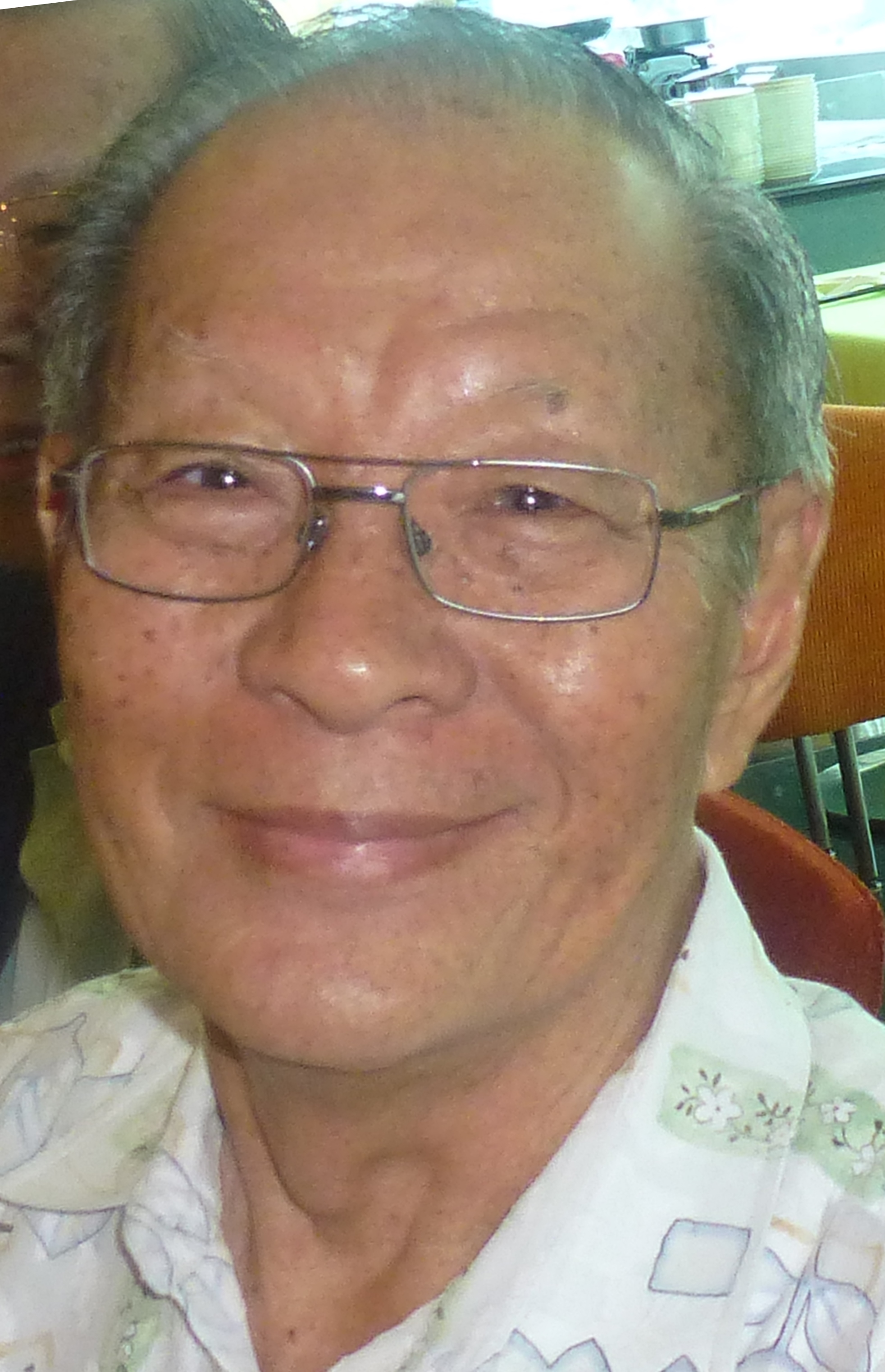

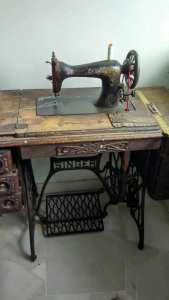
When WWII ended in 1943, he ventured into the business operating of a coffee shop and restaurant. A few years later Father switched his shop selling general merchandise including gramophone record players and records, SINGER sewing machines which was in great demand among the housewife to make clothes for their children. The native workers (Iban) used to buy the gramophone player and some records to show off their new toys playing sound and music from a small wooden box to entertain everyone in their village (long house). The village children and some grownups took curious & closer look near to the box to find the human playing inside the box!
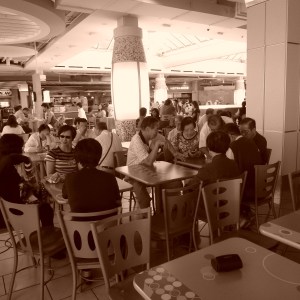
As more construction companies providing services to Shell and the newly arriving workers would need to temporary accommodation, he renovated the upper floor of the shop into several bedrooms as a lodging house. It was profitable because it was the only lodging house for all the new landed immigrants, businessmen and workers. To make more rooms he bought a house, nearby, for us to stay and to walk to school.
Drinking kopi in the olden days were actually social gathering and net-work among the businessman as their daily ritual, sometimes to settle disputes and sharing business strategies. But during the weekend the kopi shops would be full of working class people for social gathering and to listen to gossips and news. (There was no radio, TV needless to say Facebook and etc.) In the past, coffee beans were roasted, in a large 3~4 feet diameter steel wok at the back lanes of the shop. The Kopi Towkay usually enhanced the taste of the roasted coffee beans with butter, manau ( the wax from a certain tree) , sugar and salt. The added sugar made the coffee beans darker with a taste of sweetness. Every kopi shop towkay(owner) has his own recipe and variety of the additives, this explained different coffee shops tasted different from one another.
Drinking coffee was actually the awarding prize for the winners playing joker card games. During our school holidays, the Kuching St. Joseph and St. Thomas boys gathered at my father’s shop for a card game for 4. We ordered kopi and roti kahwin, the two losers paid for the kopi and toast. That was fun. Among those frequent players were: Lau Ching Hung, Dato John Puk Yuan Seng, myself, See Kui and the late Chong Thien Sung, the late Augustine Thn’g, and the late Khung Chin Choo.

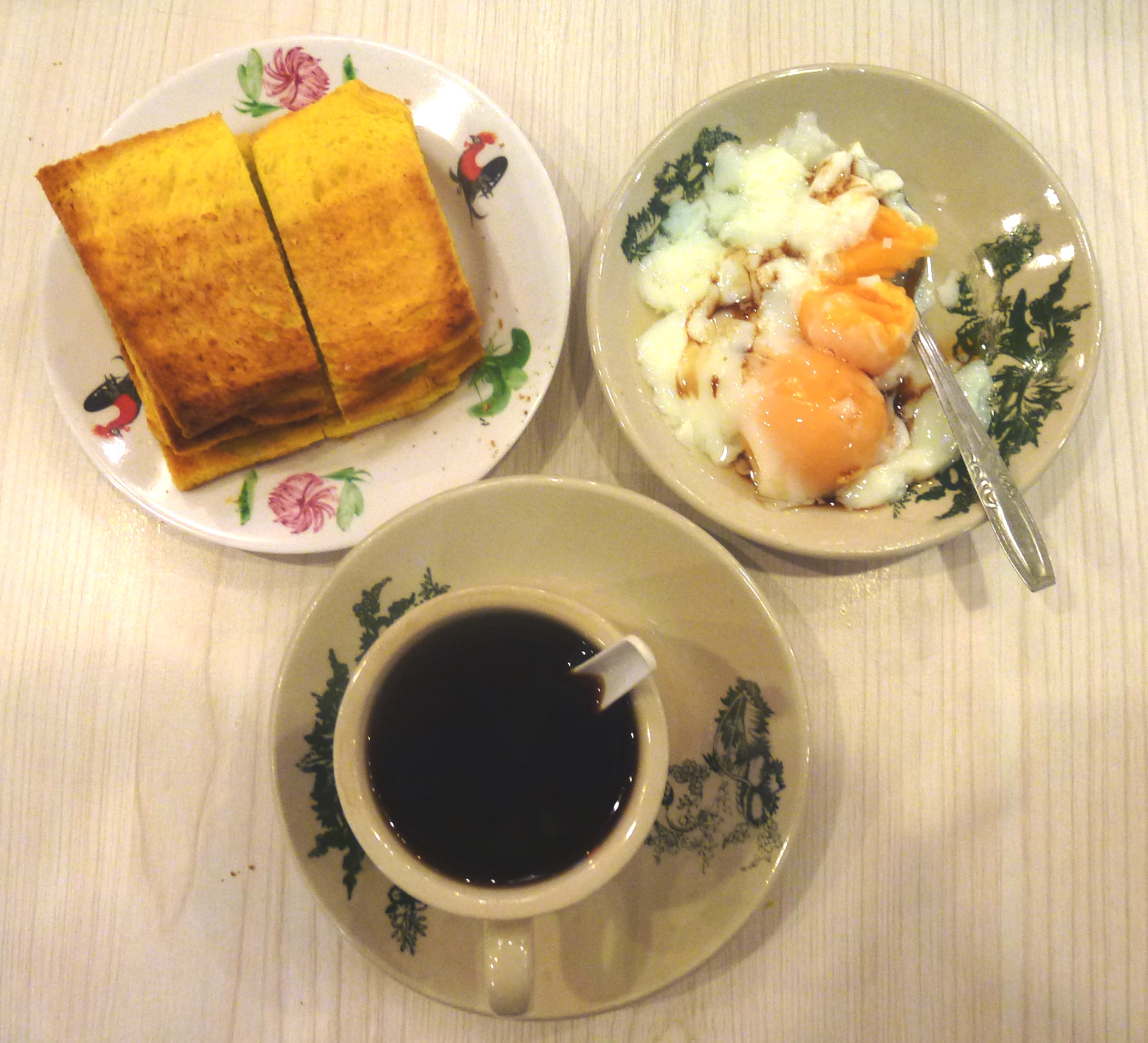
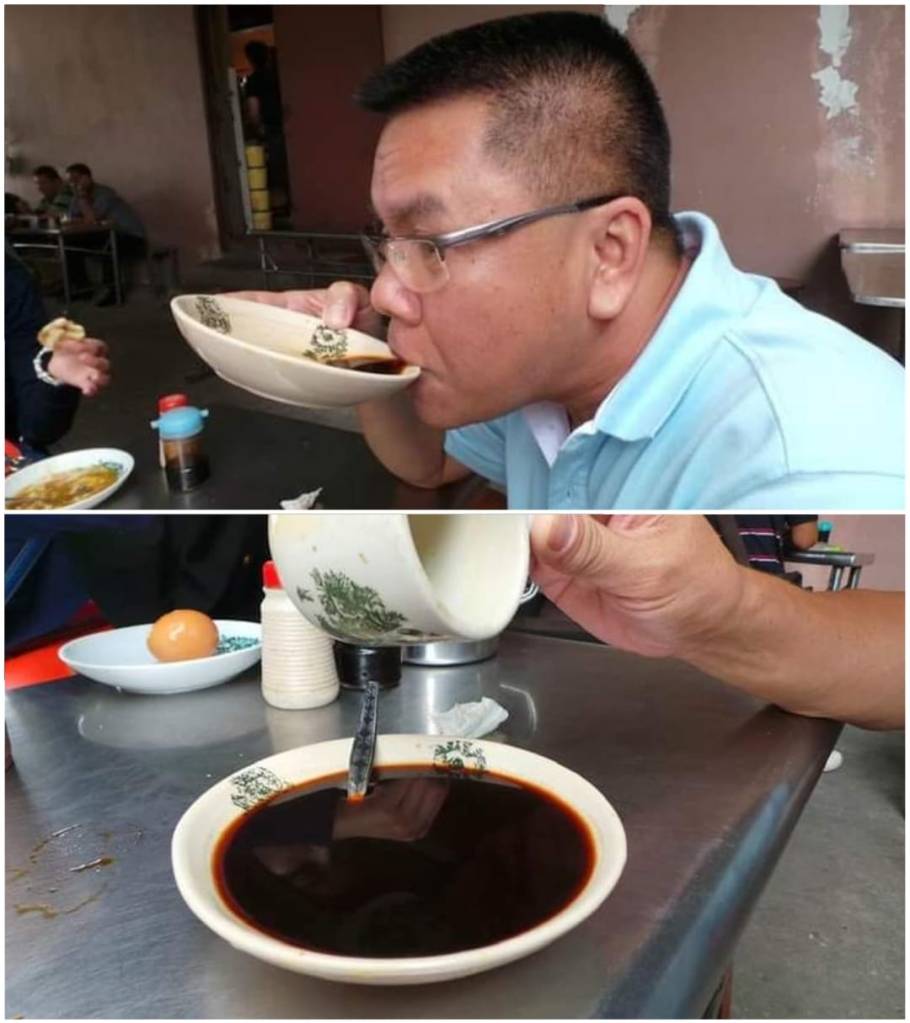
I still remember we used to drinking the coffee from the cup saucer so as to reduce the temperature of the kopi, toasts and steam bread with home made kaya – the roti kawin!!! Dipping toasts into the mixed of two soft boiled eggs together and drinking the black kopi was the treat of the morning breakfast. Those were the days when we were young living in KB , Seria and Brunei Town!!! “Drinking gourmet coffee the Orang Puteh is a pursuit of a certain lifestyle, but drinking coffee shop coffee in Brunei is a daily affair,”
Thank you for watching. There are more than 150 stories to read.
Please follow our team by log in this URL http//:www.memoriesofthewaywewere.wordpress.com

Some of the photos are down load from the multimedia, if there is issue with copy rights please let us know and we will take action to remove them as soon as possble.
 Memories of The Way We Were
Chong..
Yes, it is an interesting story as coffee is unofficially regarded as one of our national heritage. Part of our social life revolves around “makan places” including “kedai kopi”. I fondly remember the kedai kopi in those days…thick cup and saucer that used to serve the kopi…kopi O kopi C. As a child, my father used to take me to Brunei Town doing his grocery shopping and would ended up in kedai kopi. At that age,I was probably about 7 or 8 yrs old, wondered as to why the cup was so thick…my conclusion was the towkay deliberately try to economise the use of that black precious kopi…less kopi means more profit. That was my innocent thinking as a little boy. I must tell you…i love coffee (with less sugar now).
Your article is appreciated as I love coffee. Congrats Chong.
Received via WhatsApp from Johari Archee Achee on 19 November 2021
LikeLiked by 1 person
Social community and network among the businessman as their daily ritual to resolve conflicts and share a social community and network among the businessman as their daily ritual, to resolve conflicts and share business strategies. But during the weekend, the kopi shops would be full of working-class people for social gatherings and to listen to gossips and news from their villages. Everyone was talking with friends in a thunderous voice.
LikeLiked by 1 person
[WhatsApp message: 1:03 PM, 11/19/2021] From Sophia Chan Swee Lan: It’s a good story, at that time only Men, young men drinking coffee, breakfast in the shops. Those were the good old days. When my brother Wah Kai went to study in Kuching, I was happy to know when it’s time for you all come back home for school holidays. I was lucky to be able to join with my brother and his school friends, all the happy laughters we had. Especially at the Chow’s home joining the Chow sisters and Chow brothers and their parents together. Fresh bread brought back from their dad after work. Their mom have coffee or tea or bubuchacha ready for all of us. I often think of those happy laughter days – Those were that days we were when we were still schooling kids!
[1:03 PM, 11/19/2021] comment by Sophia Chan Swee Lan
LikeLike
Those were the way we were young once upon a time. There are a few more kopi stories written by some other alumni published in our eBook. Please log in tohttp//:www.memoriesofthewaywewere.wordpress.com
LikeLike
Received the folowing comments from Hj Abdullah Mustapha via WhatsApp :-19 Nov 2021
Thank you for the memorable story Chong it is really refereshing my memory during my childhood we had nothing to be proud of for the daily life but we live in hapiness and always respect to the older.
Hj Abdullah Mustapha 19 Nov 2021
LikeLiked by 1 person
Thank you very much, Tuan Hj Abdullah Mustapha, for your exciting comments that I agree we live in a carefree happiness. I also remember when we were working together at Radio Brunei in the 1960’s we used to have coffee breaks at Gin Chiew Kadai Kopi next to Bernard Newn’s father’s shop. Those were the days we were. Take good care, and I wish
you good health and happiness!
LikeLiked by 1 person
Received the following comments, from Anita , via WhatsApp, on 20th September 2023 @4:24am :
Thank you for sharing.Thank you for sharing. I really appreciate the story and the pictures you have shared.
I love the story and the pictures 🥰
LikeLiked by 1 person
Thank you for sharing the memorable story and picture. Highly appreciated. I really missed the kopi, roti kahwin and the friendship in the old days.
LikeLiked by 1 person