
STUDY PERIOD ESCAPADES & OTHERS
During our senior year at Kuala Belait Chung Hua School, quite often we had so-called “Study Periods” during which we were supposed to quietly read, study or do homework. Most times we were good and proved that we could be left alone for an hour without teacher supervision.
Occasionally, halfway through the hour, a few rambunctious individuals became bored and started misbehaving hyperactively. They would start a ruckus by telling silly jokes, throwing scrunched up paper balls that contained written messages, or yelling across the room to talk to each other.
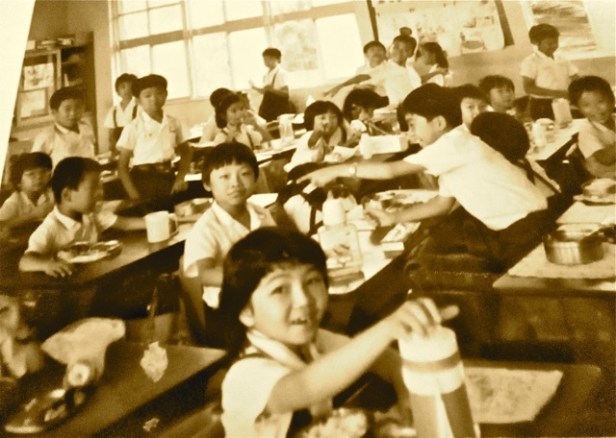
The favourite game, however, was matching up boys and girls as “boyfriends” and “girlfriends” and writing the names of the “couples” on the blackboard. Generally, the girls retaliated by scolding them and erasing their names from the board. However, this was a useless effort, for immediately they were back on where they were before. Some of the boy victims would chase the culprits around the room in an attempt to catch and to punch them. You could imagine how high the noise levels were at such times!
One day while this was going on, Principal T.S. Sung suddenly appeared at the door. Following a severe reprimand on how disgracefully we had behaved, punishments were meted out in the form of chores to be done after school that day. The boys must haul water to scrub and clean the latrines (they were outdoors in those days). The girls must clean the blackboard until no trace of chalk powder could be seen. In addition, one of the girls whose father owned a tailor shop was told to ask her father to make and donate four chalk erasers for use in our classroom.
Of all those in class that day, the majority did not participate in the rowdy affair. Yet the punishments were meted out summarily. It is heart-warming to recall that after school that day, without bickering or blaming the real culprits, the girls all chipped in to get the assigned chores done quickly and efficiently. The boys did not seem to mind their punishment either. As they worked, they were laughing and joking. When their job was done, the latrines were sparkling clean. Too bad it was just a one- afternoon task for them. Otherwise, we would have been so proud of them for more than one day!

Another thing some of our classmates loved doing during study periods was to sneak out of school to pick guavas from the home of a fellow classmate who had several guava trees in the back garden. Those culprits liked eating guavas so much that they often asked her to bring some with her to school to sell at token cost. Occasionally they preferred to sneak out of class to bike over to her place to pick the guavas themselves. By so doing, not only did they have fun picking the fruits but also got to choose which ones they wanted.
In those days, the guavas that were available in Kuala Belait were small, sweet, and fragrant and the texture was just right. Today in North America, we are able to purchase guavas imported from Thailand, Taiwan, Vietnam, Hawaii, etc. Because they are the products of cross-species grafting, they neither look nor taste like those we had in KB so many years ago. Characteristically, those which we are able to obtain today are much bigger in size and relatively tasteless!
It makes us wonder whether or not the kind of guavas that some of us were so fond of eating so long ago are still available in KB today?
Talking about guavas brings to mind some of the snacks which some of us were very fond of. In those days, parents, even those who could easily afford it, did not give their children a weekly or monthly fixed allowance (i.e. pocket money). Some lucky ones received five or ten cents daily for buying snacks. The majority would get the biggest amount of spending money in the form of “hongbaos” during the Chinese New Year.
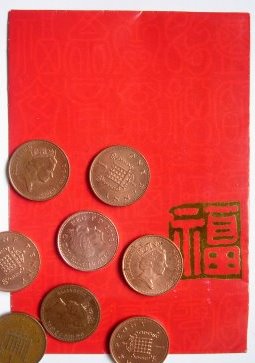
Another source of money for our own use could come from our mothers who occasionally sent us on errands to the market or shops to pick up little items she needed for cooking or sewing. If there were any small change left over from the purchases, sometimes we were told we could keep them. We do not believe that in those days anyone our age had a savings account in the bank. Every penny we had, if not spent immediately, went into a “piggy bank” which was usually just a tin can or small cardboard or wooden box for safe-keeping.
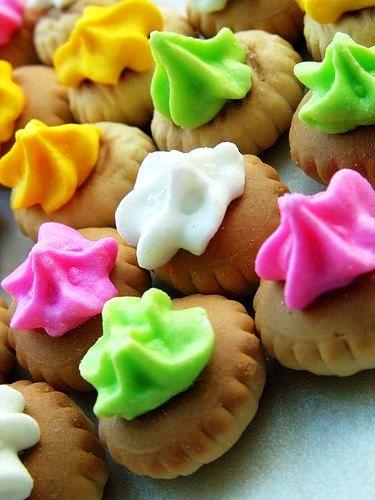
There were many street hawkers on the road leading to the school. Some days, en route back to school for the afternoon classes, we would stop to buy something from them. They sold all kinds of mouth-watering goodies: kachang puteh, pangang sotong, satay, roasted or boiled peanuts in the shell, banana fritters, just to name a few.
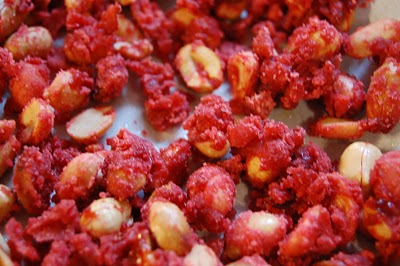
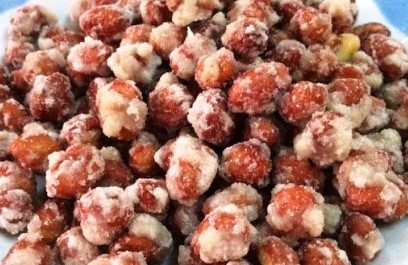


Nibbling on them as we slowly made our way back to our classroom brought great satisfaction to our palates.
Sandwiched among some old attap shop houses were several stalls that sold sundry items to those who loved to snack. There were multi-colour sugar-coated peanuts, roasted melon seeds, preserved olives and plums, all sorts of hard and soft candies, but no chewing gum! One of our favourite after school snacks was shaved ice served over some cooked red beans and sweetened with condensed milk. It was especially refreshing to have on a hot, humid afternoon!

We never were big spenders. Every kind of snack we bought rarely cost more than five or ten cents. Today, we fondly remember those times when we spent our own carefully saved money on snacks. It was fun to pick and choose what we wanted, and to experience the great delights they brought to our young taste buds!

Comment by Susie Koh: 21/12/2017:-
這文章非常棒,
 ,勾起了想當年讀書的日子,没有手机,ipad 的日子,我们経历那些点点滴滴的趣事,是許多現今低头族所没有的!
Comment by Pg Hj Hashim: 21/12/2017:-
Very interesting story, remind me of my favourite Chinese rojak stall @ Marina Cinema in Seria.
 Memories of The Way We Were
Comment by Susie Koh: 21/12/2017:-
這文章非常棒,👍🏼😀,勾起了想當年讀書的日子,没有手机,ipad 的日子,我们経历那些点点滴滴的趣事,是許多現今低头族所没有的!
LikeLiked by 1 person
Comment by Pg Hj Hashim: 21/12/2017:-
Very interesting story, remind me of my favourite Chinese rojak stall @ Marina Cinema in Seria.
LikeLike