漂海过南洋 亲情深似海
Our children and grandchildren have been asking for the story of our parents. They are curious about the story of their Grandparents and great grandparents. They want to know how they bravely left their families, home, and hometown in China. They took the most adventurous journey, crossing the China Seas to end up in Brunei. They want to hear how our parents guided us through the most challenging storms of World War 2. It was when the Japanese army invaded and occupied Brunei. The struggles, successes, and journey of our parents have inadvertently shaped and guided us and our family values.
So now I write the story of my parents, starting with my Father.This story is what I remember, I invite my Brothers and Sisters and family to add their own recollection. I may not be always right, but it is what I remember and I would love your input.
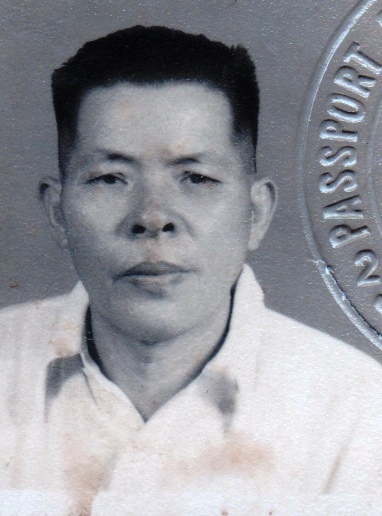
Father Chong Wan Thiam 1899 -1962
Father came from 廣東省(GUANDONG)丰順縣 (FUNSOON province)潘田鎮 (PAN TIAN district). There was a county by the name 李和墩 (LI FO TUN). The location is difficult to find in the modern Chinese map.

Our Father was the youngest son of a large and rich family. He was the youngest son. He grew up being very loving. He was also accustomed to the Chinese tradition of being “spoil” by his parents. He grew up being treated like a prince under the guidance and care of his mother surrounded by the housemaids. The rest of his older siblings faced different roles. The boys had to work in the family business. The girls most likely stayed home learning traditional skills like sewing, tapestries, and handicraft.
From what I recall from my father’s stories, his father, my paternal grandfather, was out most of the time. He was a business owner engaged in dealings with the Europeans. I do not know the exact nature of the business. As a child, my father was lucky. He always accompanies his Father on some home social business. At these gatherings, they entertained their European business associates at home. It was there that he developed a taste for Western dishes. I also recall being told that at home, the family chef made some Western food. He also prepared desserts like cakes and ice cream. This was for occasions when his father needed to entertain European entrepreneurs. Being the child, he visited the kitchen daily. He was there to watch and sample Western food being prepared. He paid close attention to how his favorite desserts and cakes were made. His sharp observation greatly influenced his future.
The Second Opium War in China highlights one of the British strategic objectives. These objectives included legalizing the opium trade and expanding trade. Additionally, they aimed to open all the Chinese port cities Guangzhou and Tianjin, from 1856 to 1860. This was done to import drugs of addiction, including opium. What started as recreation soon became a punishing addiction for hundreds of thousands of the Chinese population. Those opium addicts spent all their income to feed their opium addiction. They got sick and weak and soon became jobless. They could not feed their hungry families. This was devastating for the economy of the country. In desperation, many of these addicts became robbers/bandits to feed their addiction.
My grandfather kept my father at home – preventing him from socializing with those of his age. His father got him married quickly so he would be happy to stay home. Drug addicts and beggars were expanding fast in the neighborhood. He began to plan an escape route for his youngest son.
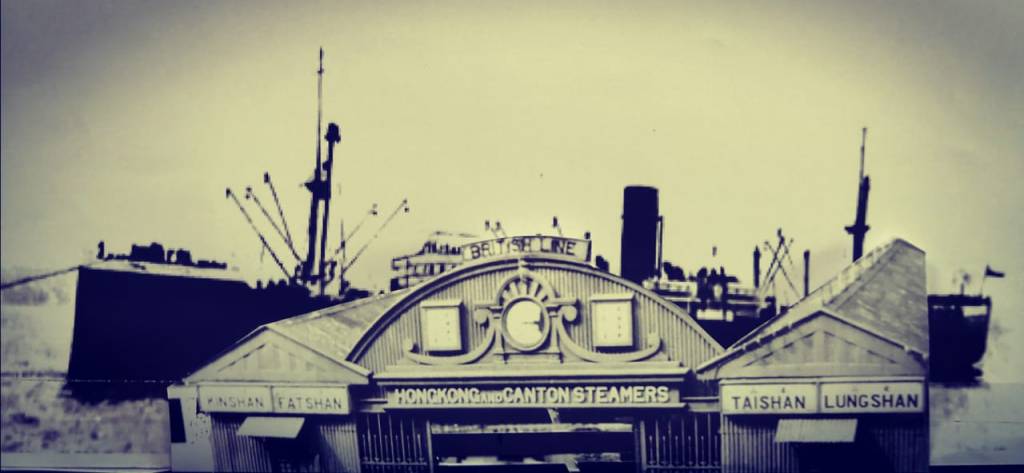

Through his regular social business contact with the British merchants, his father learned about a regular steamship. It carried cargo and passengers to a port within the British Colony in Borneo Island. His British business counterpart helped him. They pre-booked a 2nd class cabin ticket. First-class cabin tickets were only available to Europeans. They used the ruse of a field trip with 20 other people. These people were actually security and bodyguards. They got him on a military truck quickly. It took him safely to the port. There, a British cargo ship was waiting to sail. That was how he came to be sailing on a cargo steamship to Sandakan (now Sabah port of East Malaysia).
In those days, the steamship journey takes 10-12 days to reach Sandakan. First-class European passengers on the steamship had access to the open deck. There, they could walk, socialize, smoke cigarettes, and chat over a glass of wine. This deck level happened to be just outside the cabin of my father.


He gets bored easily. To pass the time, he listens to the conversations of the first-class passengers on the open deck. One of their daily topics was the quality of the meals. They also complained about the lack of desserts. The only exception was some strange Chinese fresh fruits.
My father made a strategic decision. He went to the kitchen to volunteer to bake a fruit cake. He wanted to share it among the kitchen staff. The cake was a success. It was so good that the Chef sent slices of cake to the Captain and his staff. Everyone was very much delighted after sampling his creation. The next day, the Captain ordered the Chef to bake the same fruit cake to serve to the first-class passengers. There was a big panic about finding the mysterious passenger who volunteered to bake this cake? Luckily, one of the cabin staff said he served him in the 2nd class cabin and his name was Chong”.

My father baked another successful western fruit cake. The first-class passengers were delighted with a freshly baked western fruit cake for dessert. They all wanted to meet the chef responsible. Neither the captain nor the head chef could admit it was a second-class passenger. They put him into a Chef’s uniform. He was given the job title of deputy Chef. For the rest of the journey, he had a part time paid job baking for the guests. He was thrilled with his first paycheck. My father was a man of few words – he was quiet but very observant. While he did not speak English, he could understand the spoken language very well. When a first-class passenger asked him if he could make a birthday cake with icing? He picked the keywords “cake & icing” He just nodded his head to signify yes.
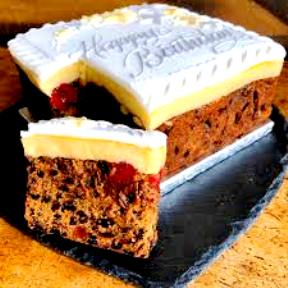
Somehow, with whatever provisions available on board, he managed to bake a birthday cake decorated with icing. The English Captain wrote the wordings “Happy Birthday” on the cake. My Father immediately became famous overnight!. In appreciation of his extra help, they served my Father with first class food in his cabin. This experience was very memorable to him.
Whenever he had finished baking, he spent his time observing how the chef cooked beef steaks. He watched the preparation of sausages and ham with various sauces and seasonings. He also had the chance to sample them. Occasionally, the Chef is busy. He would ask Father to take over and finish cooking some of the simple dishes.
During the 10-12 day journey to Sandakan, my father faced the reality of his future actions. He had to decide what he would do once he arrived in Sandakan. His father and brothers ran the family business. My father was the youngest son and was treated like a pampered prince. They supported him financially at home, so he did not have any real skills. For the first time in his life, my father had no one to depend on. Once the ship arrived in Sandakan, he would need to create his own livelihood. He wanted a roof over his head. He also needed food to eat. He did not have any contact in Sandakan to turn to.
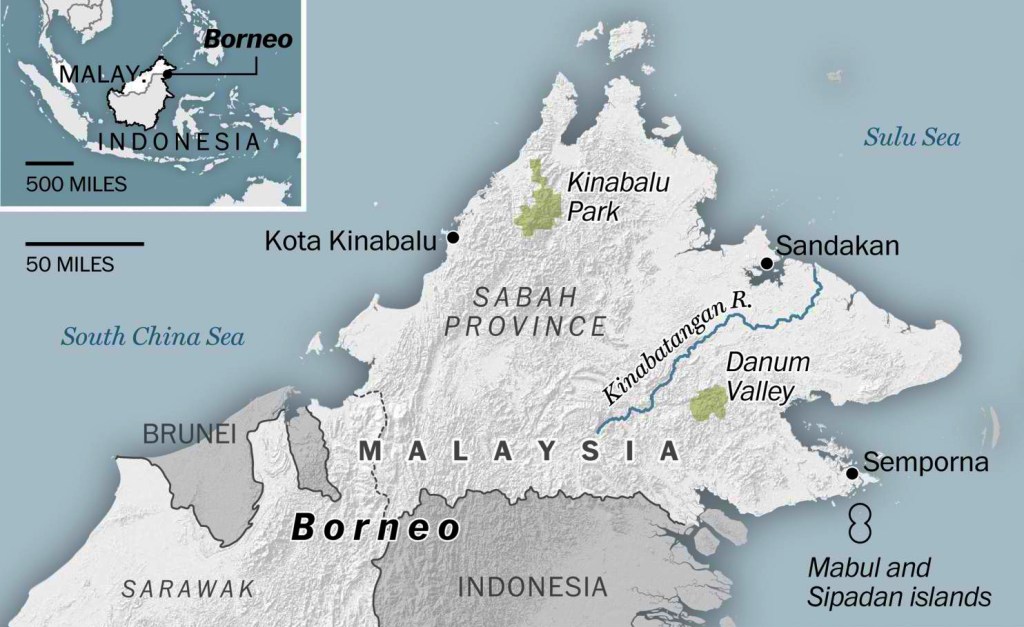
Towards the end of the journey, one of the European passengers offered him a job. The job was to work in his residence in Sandakan. They assigned him the task of carrying all the luggage from the ship to the pier. Then he transported them to the car and finally to the house. It was the first time he ever rode in a motor car. It was also his first time sleeping in such a modern, large building! He was thrilled. Although he missed his family, he is thankful to them for giving him an opportunity to turn his life around.
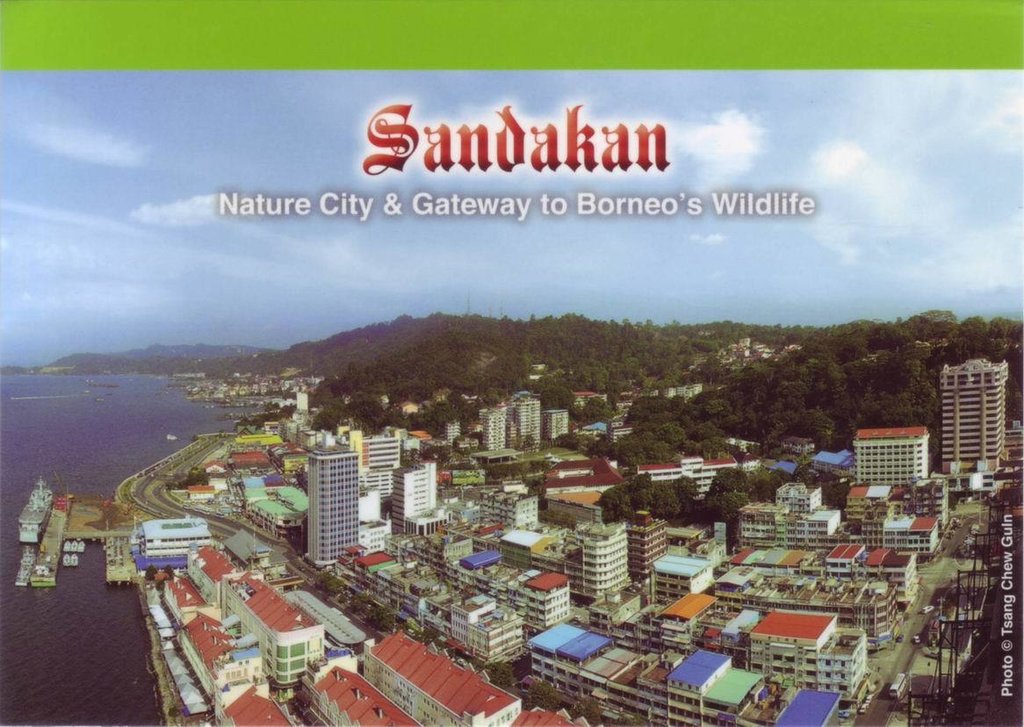
As his new employer already had a Chef, they assigned my father as a helper to the gardener. He worked hard over time. Eventually, he became the kitchen-hand. He was thrilled to be involved in cooking and baking once more. He learned more about cooking European food and always serves food with a smile. It is not long before my father’s culinary skills is talked about at social clubs. This is how my father was poached by his employer’s boss. His employer had no choice but to transfer my father to his boss. This is unfortunate for his employer, but for my father that was another great stepping stone to his destiny.
Throughout the years, this happened several times as the rule of “seniority wins”. My father moved from one employer to another. Each new employer was more senior. Eventually, he ended up in Labuan. There, he worked for the General Manager of the Dutch Shell group.
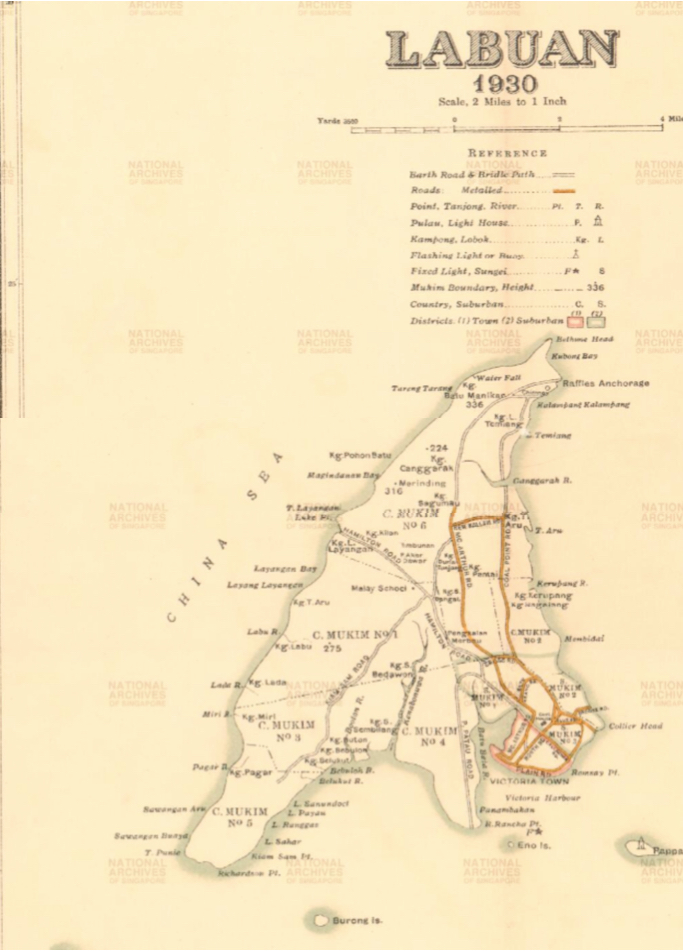
Here is a little background and news of the Dutch-Shell Group at that era:-
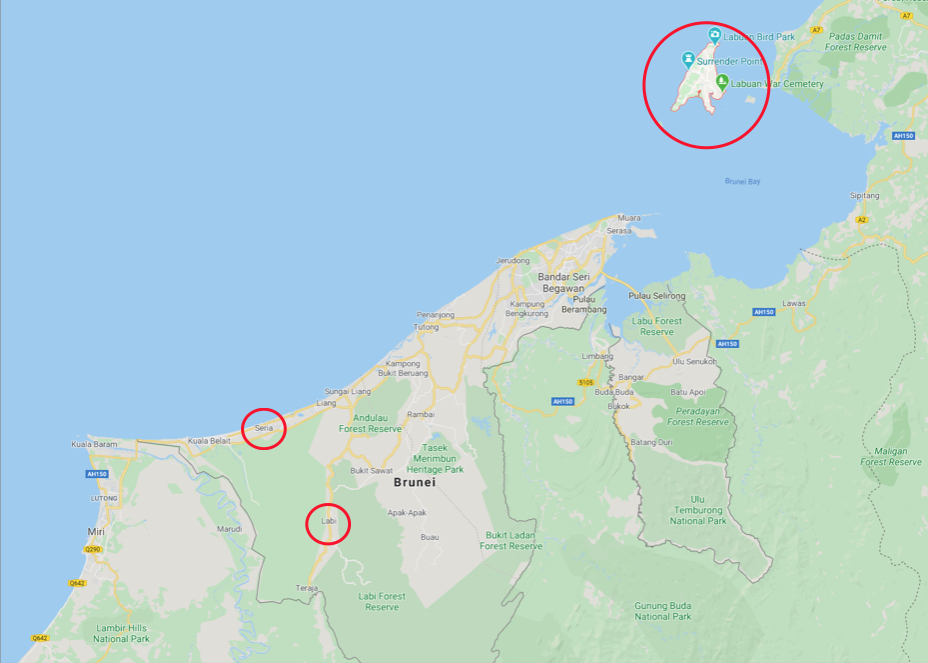
The Head Quarter Office of Dutch Shell was in Labuan because the oil production in Brunei was low and not commercially viable for export. They wrongly concentrated the exploration for oil in Labi, a hilly, remote area.
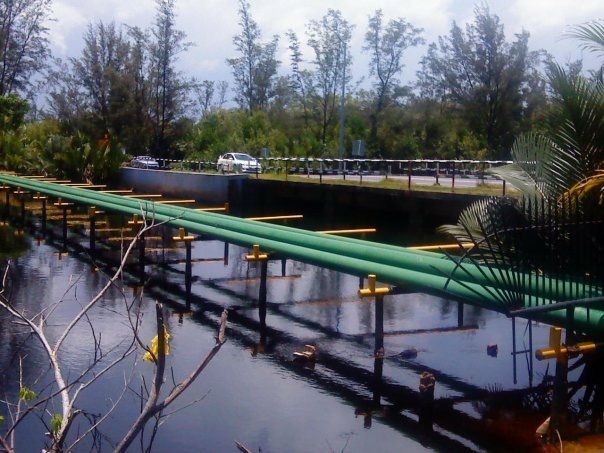
One of the oil explorers found that a shallow river (now known as Seria River) , near Panaga, the river water flowing out to the sea, was in dark colour. As the water flowing out to the sea, there was some sort of oil floating on the surface of the seawater. Further seismic surveys encourage drilling near the beach. This was the location where the first oil deposit with large oil reserve for a commercial venture. Oil was found in Brunei 1929 then the Dutch Shell HQ moved from Labuan to Panaga in Seria.
To be continued:—————-
PERSONAL REFLECTION: As I wrote and remembering, I take a long walk down memory lane. I have struggled to remember what my father told me about his life. I regret not being capable of asking him more questions. What were your parents’ names? How many siblings did you have? Who was your first wife? How old were you when you got married? This story is what I can remember. I hope their children and grandchildren will prompt my siblings. They can expand this writing in more details.
I remember my Father as charming and gentle. He had a “magic” effect. His smile made people like him. My youngest brother, Johnny, looks very much like my father with the same smile. His advice still echoes in my mind to be humble. He advised to make friends. He also urged not to make one enemy. Otherwise, we will be wasting time looking back to see our enemy while planning for our future. My father had the patience to accept difficult situations without getting angry. Father was bright, intelligent, and could think creatively. Most importantly, he turned life difficulties and challenges into opportunities. I adore and am proud of my father; he was my most outstanding mentor.
FOOTNOTE:
The Team leaders wish to thank the following members of the team for their continued support in building this family legacy:

DISCLAIMER:
Some photos are from social media. Some images in this blog are copyright to the respective owners. Please let us know if you have any issue with copyright. Let us know and we will promptly remove them
Credit to Rovelina Franco Detoyato for this video O Pa Pa
We dedicate this song to our dearest father who we miss very much.
From the Desk of Editor:
1 – We have published two of the four episodes of the Journey of Destiny of our parents. These are available in Chinese and English. The Chinese version is mainly for the benefits to our elderly readers. This includes the Grandparents and some of the Chinese-educated younger generations.
2 – I invite my Brothers and Sisters and their children to share their expressions of love. They should add rich memories to our parents. Just write your comment at the end of the post rather than email or WhatsApp


How brave and resourceful Kung Kung was. He must have been a very good chef to climb the ranks and cook for the most senior Europeans. Did you also get to enjoy his delicacies? Did he stay in touch with his family in China? Do we have contact with them now?
LikeLiked by 1 person
Through his personal example, we have learned how to work hard and to save hard to overcome all sorts of challenges in foreign lands. His principle was to make no enemy but more friends, willing to help with a smile. I think all the 8 of us inherited those principles. As children, we love the food he brings back from work but he enjoys mother Chinese cooking. Sometimes he bakes cakes, brother Min Chong & I do the icing decorations during festivals. Daddy used to send essential goods to his family in China through some kind 3rd party but the last contact was in 1988 when I was in HK. Thank you Yin Chen for keep on engaging this kind of dialog online so that I can continue to write further on responding so that every active family member can read.
LikeLiked by 1 person
Sandakan was the former capital and commercial port of the British North Borneo Company established to exploit the natural resources of North Borneo, now called Sabah under Malaysia. It had a thriving trade relation with the southern provinces of China.
Another China trade connection was with the British East India Company which unashamedly trafficked opium from India to sell to the Chinese population, causing tremendous damage to the health of the Chinese people. When the Chinese Gov banned the import of opium, the upshot was the Opium War with Britain. The incompetent Ching Gov was no match to the British Navy. The outcome was the cession of Hong Kong and war recompense payment in silver and war debt to Britain.
After the Opium War, the life of the Chinese people, must be in miserable poverty because of the high taxes to pay for the war debt. I think that is why your Father had to take such a risk to venture to North Borneo to find a new life.
Leong Chee Seng
LikeLike
Thank you Chee Seng for expanding this story with more information about the opium war planned by the British to colonize the Southern ports of China because they needed cheap labours from China to work in their tin mines and rubber plantations in Malaya. Many did not get their salaries and die of starvation and tropical diseases., thus making more profits by the British companies. All these histories never taught in school nowadays but you can always find them online, just google “opium war”. When did your parents land in Brunei or Singapore? I am sure all our parents worked very hard to keep a family just like we do ourselves wherever we are, isn’t it? from generation to another! One family and one home! So please do take good care of your health and enjoy your saving, our children will learn from us and grow on their own. T
See Kui
LikeLike
My Father left Hainan (China) in 1931 and traveled to Singapore to join his brother who operated a vehicle electrical repair shop in Singapore. He learned the trade from his brother. Despite his limited education, he managed to become a competent electrician.
He was recruited by the Brunei Shell Petroleum as an auto electrician to work at the Company’s Auto Electrical Workshop in in KB and promoted to Foreman in-charge of the Workshop after the second World War.
LikeLiked by 1 person
From Hj Sofian
By whatsApp -22 Aug. 2020
I have read this wonderful and interesting yet adore the plight and struggle to fame of your father. He has to work hard and surely as a strange must be frighten by the different customs and traditions while living in Sandakan and what to anticipate. By God will, your father turns to be alright in contrary of him as prince of family.
Now, I understand why many Chinese are noticeably scattered at the entire Borneo Island and my long years of queries are brighten by this amazing stories. Well done and may you and family prosper in life
Haji Sofian
LikeLiked by 1 person
memoriesofthewaywewere
10 days ago·memoriesofthewaywewere.wordpress.com
User Info
母亲跨越南海的旅程
Received email from Yun Yin Huang, Edmonton Canada
20 August 2020 @ 14:23 (1 hour ago) to me
Hello See Kui,
I received your article written in Chinese entitled “My Mother’s Journey of Destiny” . I read it with great interest & also with great admiration for your mother’s courage & indomitable decision to leave China to advocate for her own destiny. Later, after meeting your late father & marrying him, together they worked hard & created a legacy for the Chong & Yapp couple’s descendants many of which still reside in Brunei today.
LikeLiked by 1 person
Black font on dark background is hard for reading.
LikeLike
Good, here i present a short and sweet story. I remember when i was young my parents made a beautiful and caring word, every person is lucky to have loving and caring parents, the most important secure and solid pillar of our life, they touch and influenced us to do right things, to go right path and many more things. in our life our parents seems to be like a god for us, they fulfilled our all needs and willing, they were with us and supported us in any phrase of life. They screfliced so many things for us, they did it because they love us so much. parents always knew that their children better than anyone else. but some of the people never understant the importance of parents in their life.
LikeLiked by 1 person
[9/29, 7:40 PM] Chong See Kui: DRAFT
约翰尼对已故父亲和已故母亲的反思和回忆
在阅读了我的兄弟 Chong See Kui 写的我父亲和母亲一生的故事后,并出版了校友电子书 http://www.memoriesofthewaywe were.wordpress.com。 我喜欢写一些我记得我父母的方式的甜蜜台词。
我记得当我 10 岁的时候,我患上了哮喘病。 作为家里最小的男孩,就像爸爸是家里最小的儿子一样,父母很疼爱我,对我特别照顾。 我妈妈似乎从她在中国的父母那里知道很多关于草药的知识。 每当我们中的任何人发烧时,她都会坚持让我们洗个冷水澡,让我们喝苦味的花草茶,然后让我们在热气腾腾的草药(苦痛风的叶子)下出汗。 第二天我们会没事的。
对于我的哮喘,我妈妈会买各种奇异的野生动物,如狐蝠、鸽子、乌龟等,并加一些草药煮沸,确保我喝了。 这种情况持续了几年,直到我的身体变得更强壮以抵御哮喘问题。
作为最小的孩子,我父亲总是确保我可以保持健康而没有哮喘的问题,所以他时不时地把他的零钱当作零用钱。 我不必工作
[9/29, 7:41 PM] Chong See Kui:他的店。 我的哥哥姐姐会在早上去学校之前确保商店是最干净的。 放学后,他们照看商店,而父亲则在下午短暂地睡了一会儿。 所以,我可以自由地四处寻找我的朋友来玩。 我们经常看大叔们打斯诺克比赛,我相信我已经学会并喜欢打斯诺克比赛。 在我生命的后期,我喜欢体育活动,我成为文莱文莱斯诺克协会主席、文莱乒乓球协会秘书长、被认定为东南亚运动会的合格裁判等。我喜欢向我在运动领域的成功致敬。 父母支持我的成长和成功。 我有机会代表文莱出差。 我也成为舞台表演魔术艺术的专家。
我的父母说了一句美丽而关怀的词,每个人都很幸运有慈爱和关怀的父母,他们是我们生命中最重要的安全和坚实的支柱,他们触动和影响了我们做正确的事情,走正确的道路等等。 在我们的生活中。 我们的父母对我们来说就像一个超自然的人,他们满足了我们成长过程中的所有需求。 他们和我们在一起,在生活的任何阶段都支持我们。 他们为我们牺牲了很多东西,他们这样做是因为他们非常爱我们。 父母一直都知道,自己的孩子比谁都优秀。 但有些人并不了解父母在我们生活中的重要性。
LikeLiked by 1 person
Uncle Johnny, 謝謝!非常好的分享,讓我感同身受,感恩父母對子女的支持,關愛和照顧,我很喜歡陳百強唱的’念親恩‘,歌詞很感動!
LikeLiked by 1 person
岁月悄悄流逝,想抓却留不住,回眸,才發現过往的許多東西都在岁月中流中慢慢的淡去,习慣了怀念过的岁月柸念过往的人,看著時光在手掌中溜走
LikeLiked by 1 person
Received comments from Dr Marcus Chen Yu Wei, Melbourne Victoria, Australia on 16 March 2024 as follows:- ”Hello Uncle See Kui thank you very much for sending these photographs. I have not seen many of these before so thank you I have read the stories of your mum and dad on your website and these have been extremely valuable for us to understand the detailed story of the family history. They are very interesting and well written and make us all feel so grateful for all the hardships they endured to raise the family and allow us all to enjoy the life that we have. Because we do not have as detailed and understanding of our grandparents from my dad’s side this has motivated me to find out the story. Best wishes from Dr Marcus Chen Yu Wei
LikeLiked by 1 person
Received comment via WhatsApp from Hj Sofian Hj Masri on 5 September 2024 @4.04am as following:
I have read your comprehensive ebook and articles, and it are most inspiring. enjoy reading it and in your quest in life and your journey of ever-lasting memorable pictures, especially your father’s origins from Fujian and the start of his immigration plight on ships sailing across the sea to reach Borneo Island is indeed really extraordinary.
Best regards,
Hj Sofian Hj Masri -Brunei Darussalam
5 Sept. 2024
LikeLiked by 1 person