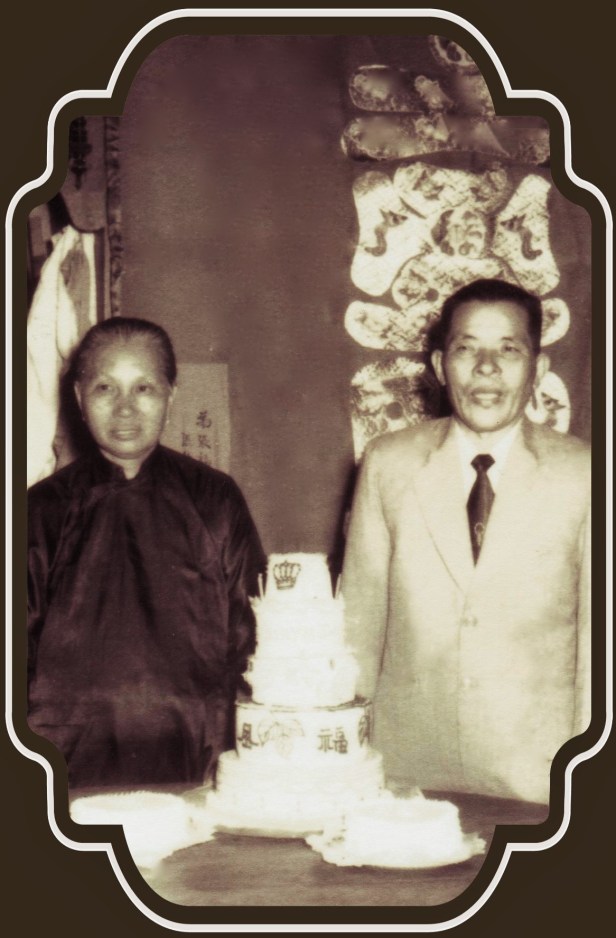
It may come as a surprise, but even before I was born, Kuala Belait was home to a cinema! And even to my surprise, I discovered that my parents had invested and purchased three shares at $100 dollars each in 1935. The shares were put in my mother’s name Lim Ah Yapp. They must have been proud of their investment. My father started working as a chef and Mum as housekeeper for The Managing Director of Royal Dutch Shell in 1929 and their salary would have been around $17 per month – so it must have taken some time to save up $300. I was inspired to write this story when I found the share certificate.

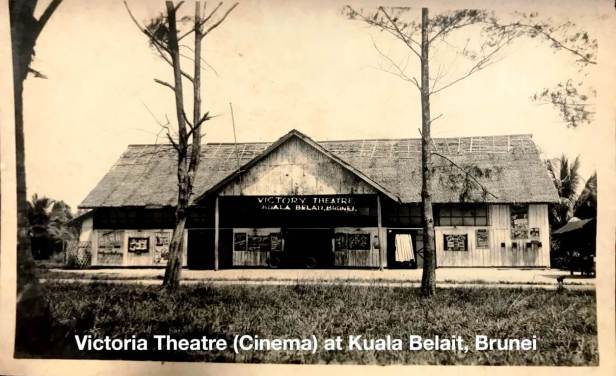
The cinema business in Kuala Belait back in those days was pretty good. The Royal Dutch Shell, the last company to remain in the country to try and find oil, finally discovered a commercially viable well in Panaga after an unsuccessful venture in Labi. The Seria (Panaga)Oil fields would grow to be one of the most productive oil fields (among the commonwealth countries) in the country, producing over one billion barrels over the last 75 years. (Photo of the Victoria cinema credit to Chow Kat Yin who is now living in Perth, Australia.)
With this oil discovery, migrants were drawn into the Belait District to help with the need to expand production, and with that came the demand for entertainment. There were long queues for movies, a common sight during the era when there were no other entertainment such as televisions, portal radios or computers. Back in those days, the entertainment would have been open air stage shows like chinese opera before moving pictures were shown in cinemas where the requirement would have been a dark room hence building a cinema.
I have fond memories of my early youth going to the cinema. There were ‘First Class’ seats made from rattan that cost 50 cents and ‘Second Class’ (long wooden) benches, which sat five people, that cost 25 cents per ticket). An adult can bring in one child for free, so we would loiter outside the theatre every weekend, hoping some kind-hearted adults would take us in to watch a show.
Sometimes, when A Biao, a friend of ours, was minding the entrance, we became even bolder and followed the crowd into the compound, us little children blending in without being noticed.
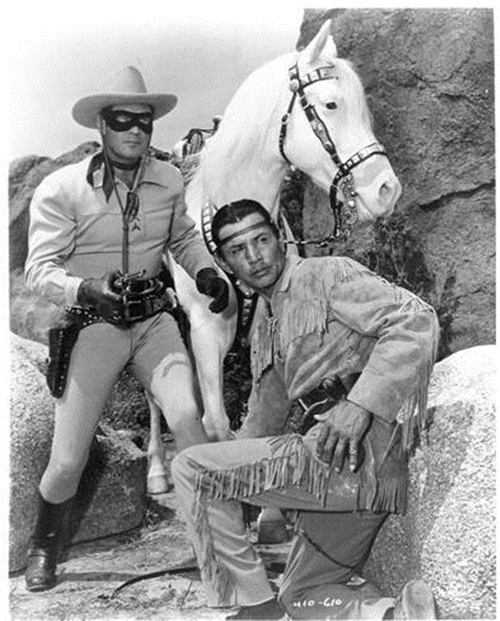
My father would occasionally give us some money to watch cheap afternoon movie, and the five of us would sit on a long wooden bench together and be mesmerised by the Western cowboy films that were popular at the time. We would use the money to buy red melon seeds, 紅瓜子 “kua chi,” munching through the show and littering the red 紅瓜子 shells all over the cinema floor!

My favourite movie was Tarzan, and often, I would mimic the jungle hero by climbing and jumping down from trees until I fell off a branch – got a blood nose and almost lost my two front milk teeth.

Watching my heroes alive on the big screen is my favourite passion, especially on weekends, and occasionally in the evening with siblings and family friends (Uncles) at night. But going home at night is the most frightening experience! There was a mortuary in the hospital on my way home. Adults used to warn us not to get near a dead, especially at night, as it would steal our soul to become alive again. On my way back after the night movie, I used to run very fast, making a loud noise when passing by the mortuary.

Belait suffered greatly during World War II. In addition to the town being destroyed by the fighting, the Seria oilfields were razed by local forces to deny the valuable oil and gas to the Japanese. The Japanese rebuilt some production facilities during the occupation, only to demolish them later when the Allied armies arrived on Borneo Island.
Sadly, the theatre was destroyed during the war. However, they managed to hide projector equipment and sound system from the Japanese military, who were well known to bully the local residents.
The oil at the end of the day, was still there, and so Kuala Belait after the war remained a bustling hub as (more )migrants came to take up much of the reconstruction work. The British Resident setting up Police Station for public security and the Sultans appointed a District Office at the time also (setup) had his administration in Kuala Belait, and so needed workers to build facilities like Legal administration, Post office, port facilities for shipping and import & export facilities, and staff quarters. As an important oil district, the population in the Belait District surpassed that of the one in Bandar Seri Begawan!
As the population in the Belait district continued to grow during the reconstruction, a makeshift temporary ‘Kajang’ cinema was set up, powered by a portable generator.


During this time, an outdoor cinema with a covered roof and audience seats was set up near Panaga, where most of the (Shell )staff quarters were built, and to show (entertain their staff & families) movies for free. Sometimes, I would stay overnight with my classmates’ uncle, who worked with Shell, to watch a film. The next day, my classmates Chow Kat Yin, Kat Liang Suet Ping and I would wave down a friendly truck headed back to Kuala Belait to attend school, as there was no commercial bus service back then. When I turned 18, I remembered riding a motorcycle to watch a free movie there.
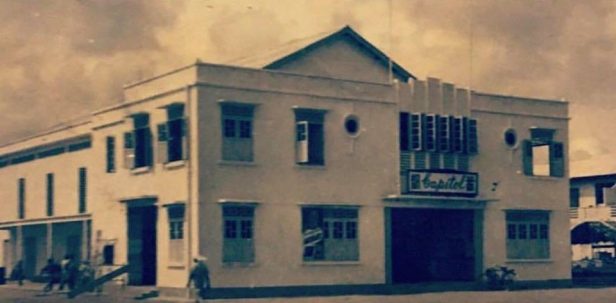
As more of the township was rebuilt and the electricity supply became more readily available, more permanent cinema buildings were constructed. In Kuala Belait, the Capitol was built along the new Jalan Pretty, while in Seria, the Marina, Roxana, and Puspa theatres attracted crowds.
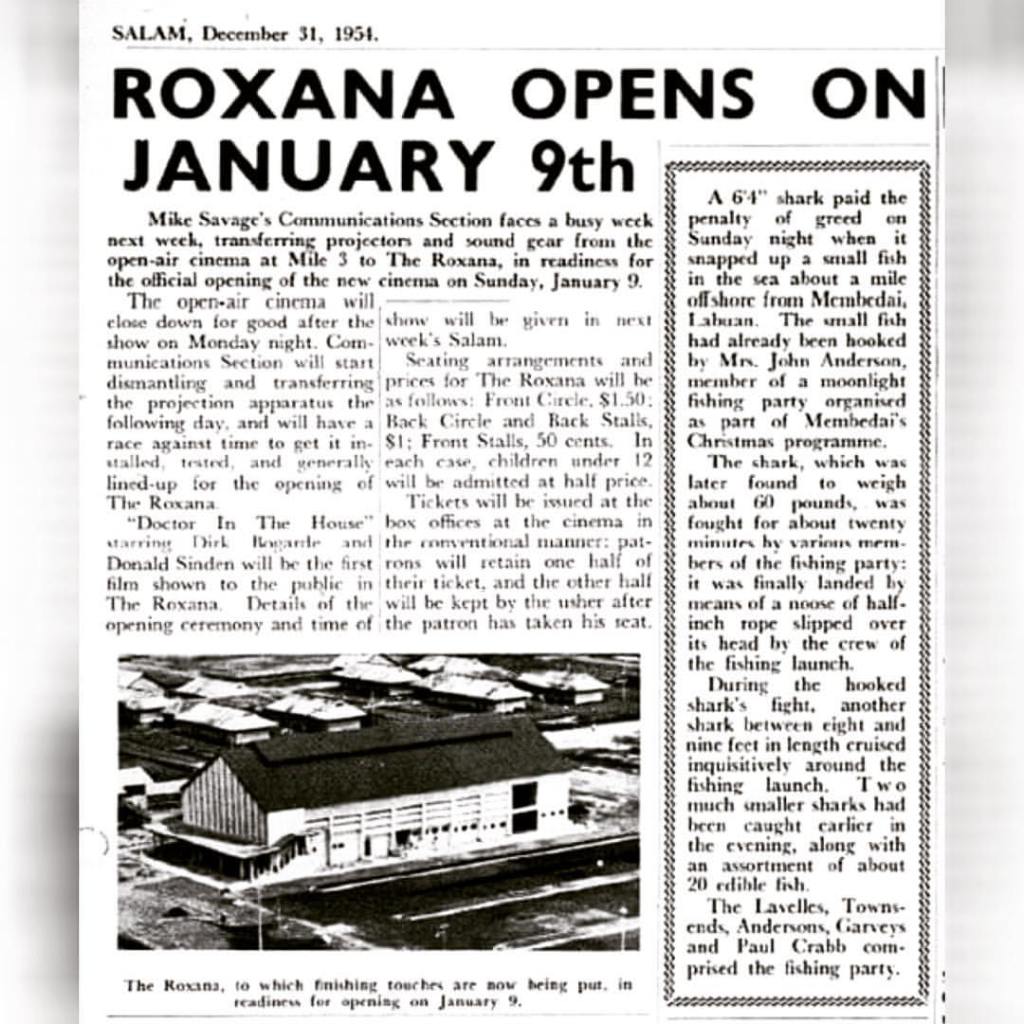
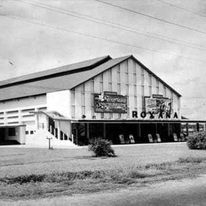

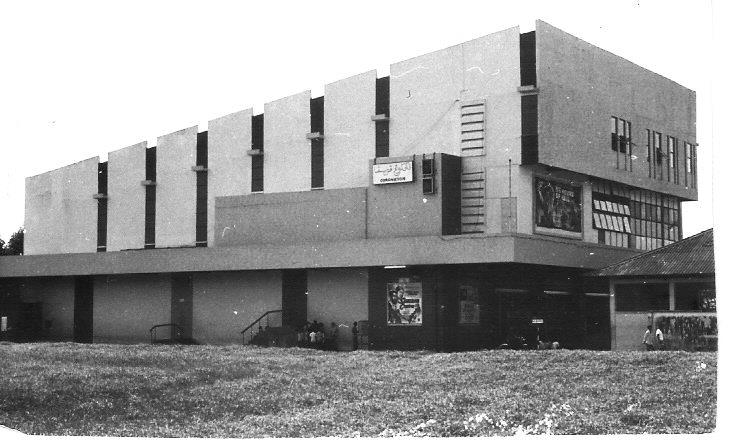

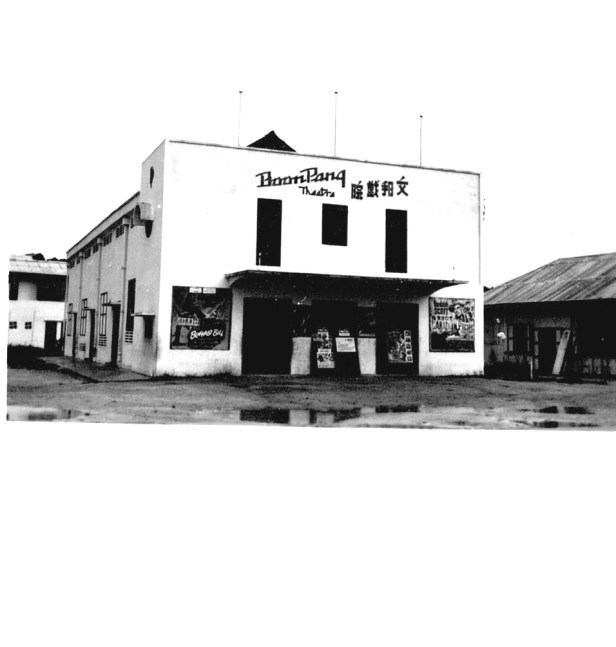
Later, in the 1970s, there was more development in the Brunei-Muara District, which attracted Belait residents to find work in the capital. Cinemas in the Bandar Area included Boon Pang and Borneo cinema. It was around this time that both Puspa and Roxana theatres were closed down and demolished.
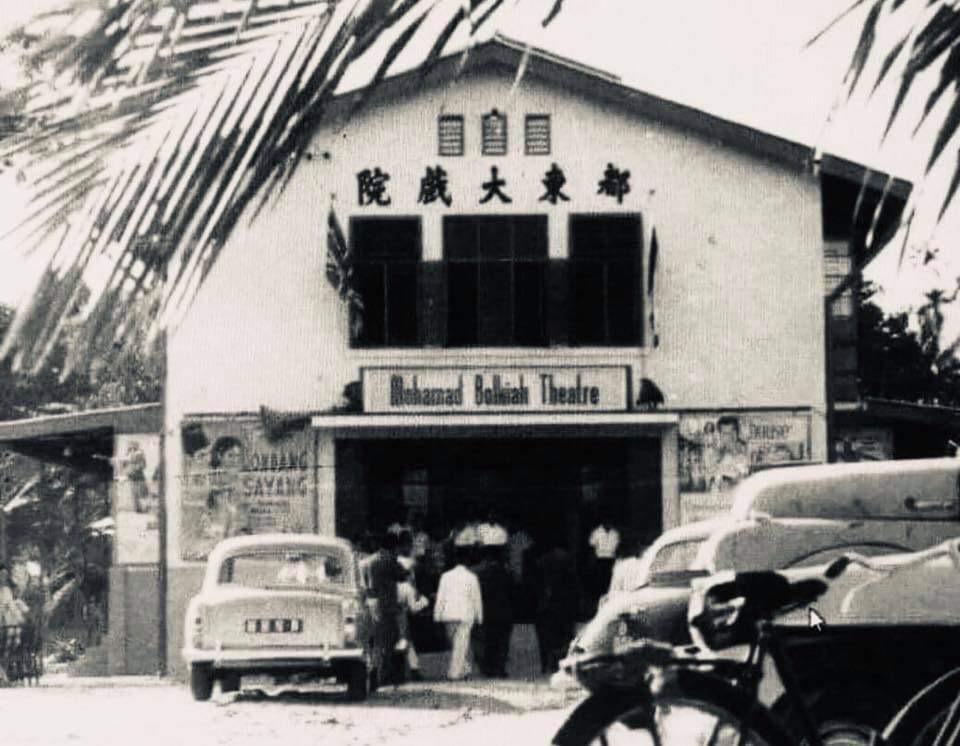
The Mohamad Bolkiah Theater was the only cinema in Tutong District…it was located near the present Chung Hwa Tutong school, opposite the Pekan Tutong Police Station..
ADDITIONAL BONUS SECTION
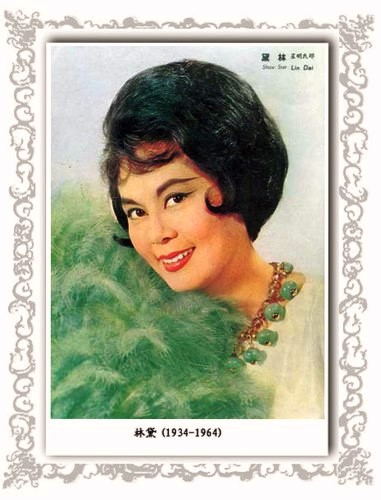
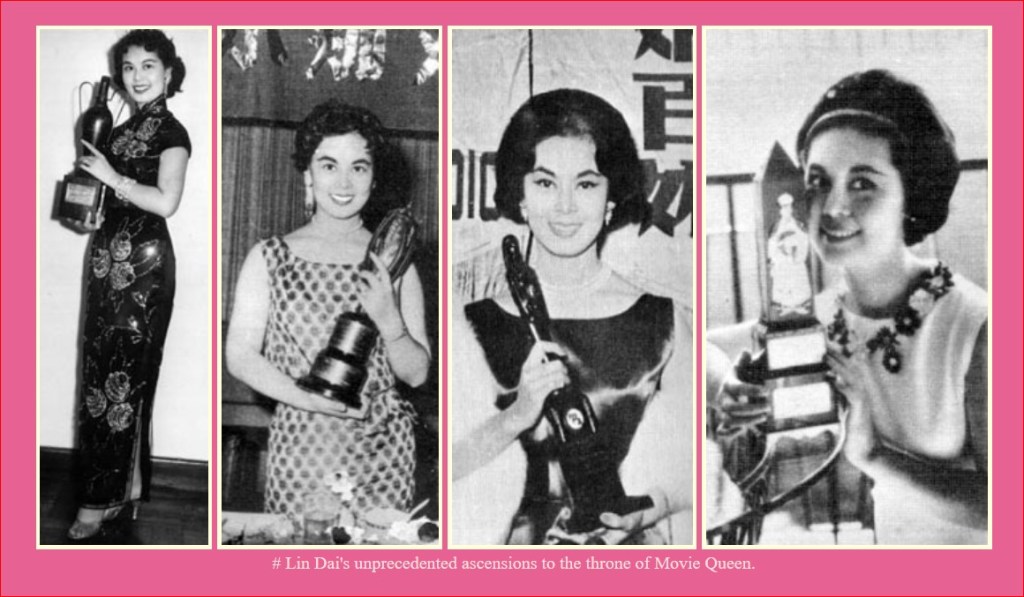
Lin Dai: 林黛i signed a contract with Shaw Brothers and her career continued to prosper. She won the Best Actress for the third and fourth time at the Asian Film Festival in 1961 and 1962. The four Best Actress coronations were not only Lin Dai’s personal glory but also unprecedented achievements in the history of Chinese cinema. Her fame further spread across the borders and ascended to international circles. In 1962 another work of Lin Dai, Madame White Snake, broke all the box office records for local and foreign productions screened in Hong Kong.
My wife Margaret and I feel very much honour to stand close by the side of the Super Star Lin Dai in this group photo while she was on a stage production in 1964. The other couple in the group, Wang Foo Chung, is well-known among the circle of the movie communities in Shanghai & Hong Kong.

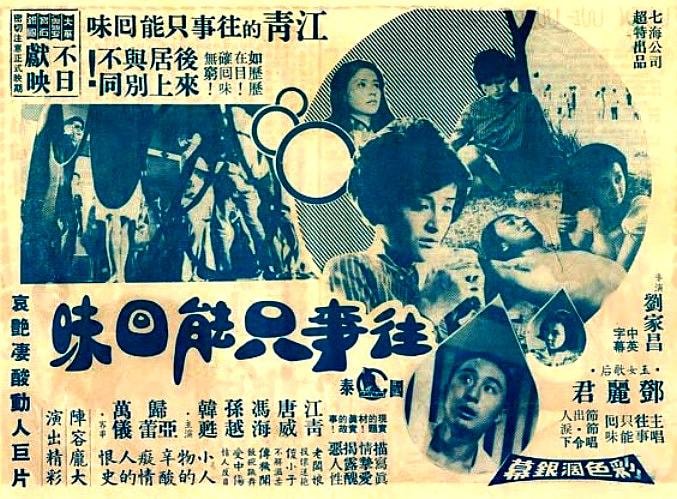
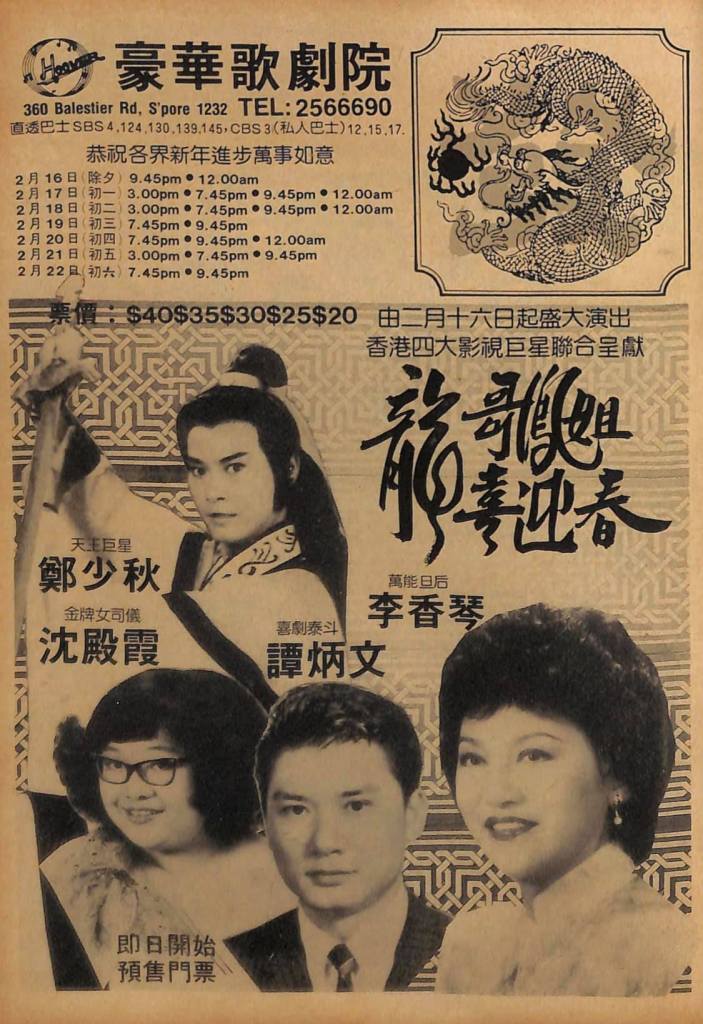
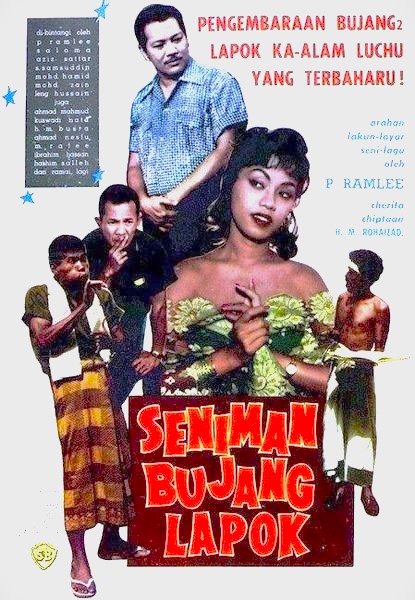
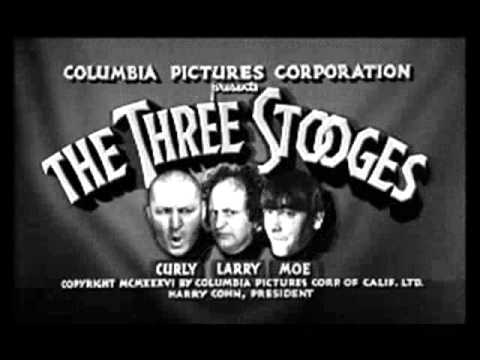
Sharing some movie posters/advertising for old movies – I hope that this story was interesting for you and I also hope that it brought back some good memories of your childhood going to the movies.

The information source, the video, and the photos are from social media. We would like to thank the owners of the video and its contents. The source of information in this blog is copyrighted to the respective owners. We are committed to promptly addressing any copyright issues. Please let us know if you have any concerns, and we will take immediate action to resolve them.


Thank you for this great article. I have tried to research more on the cinemas as my grandfather owned shares in Borneo Theatre. I was handling a project on BSP’s archives and found many photos we didn’t have captions for. There are film reels to be converted but resources are limited. Please let me know if you know of anyone who can do the conversion. Nitrate film.
LikeLiked by 1 person
I watched movies in the Borneo Cinema, where your grandfather was a shareholder. When was the cinema was first built? Did you complete the BSP project? Where are you now? To do the conversion Nitrate film maybe you can take a look at this URL: https://www.google.com/search?q=anyone+who+can+do+the+conversion.+Nitrate+film.&rlz=1C1CHBD_enBN1010BN1010&oq=anyone+who+can+do+the+conversion.+Nitrate+film.&gs_lcrp=EgZjaHJvbWUyBggAEEUYOTIHCAEQIRigAdIBCDQxODNqMGo3qAIAsAIA&sourceid=chrome&ie=UTF-8
Thank you for reading my eBook, if you like please come back for more. Please forward to your friends who are in your social media contact list. Have a nice day and take care.
LikeLiked by 1 person
Mr. Chong, thank you so much for sharing your fond memories of the past events and the history of Brunei which was well documented. Indeed it is a valuable piece of document full of remarkable events in Brunei History. Well done Mr. SK Chong.👍👍👍
LikeLike
Received comments from Chow Kai Wah via WhatsApp on 28 July 2024 the following comment:
“Mr Chong, thank you for sharing your fond memories of the past events and the history of Brunei, which were well documented. Indeed, it is a valuable piece of document full of remarkable events in History. Well done Mr.Chong.👍”
LikeLiked by 1 person
Thank you very much, Alumni Chan Siew Fang, for your interesting supporting comments. We have the same favourite movies! Where did you stay when you saw these exciting movies?
LikeLiked by 1 person
Very well documented history of the cinema in Kuala Belait. It brought back fond memories of my favourite movies such as Tarzan, the Lone Ranger and Tonto, and many cowboy and Superman movies.
Those were the days indeed.
Much thanks . elder Shi Gui
Chan Siew Fang class of 56
LikeLiked by 1 person
Thank you very much, Siew Fang, for your supporting comments! Do you still remember who brought you to watch your first movie? Were you frightened when all the actors and cartoons were larger than you, and they all ran faster and jumped higher? Well, I just put my arms over my eyes and hoped they would go away!
LikeLiked by 1 person
Very well documented history of the cinema in Kuala Belait.
It reminds me of my favourite movies such as Tarzan, the Lone Ranger and Tonto, Superman and cowboy movies.
Much appreciated.
Chan Siew Fang class of 56
LikeLiked by 1 person
Received the following comments from my classmate Francis Chow Kat Yin via WhatsApp on 29th July at 10:16 am as below: –
” Dear See Kui, I wonder how you managed to remember all these wonderful old stories! I enjoyed reading them, and I had gone through them many times and had the feeling of the good old times.👍
Thanks, my good old friend.”
From Francis Chow Kat Yin, from Perth, Australia
LikeLiked by 1 person
Received comments from bro Hj Johari this morning 30th July 2024 at 8am as follows:-
” I read your article…very interesting and revealing, and it added a dimension of historical value to Brunei entertainment. Well done, Bro.”
LikeLiked by 1 person
Chong See Kui Replies to Bro Hj Johari:-
I agree with your comment about entertainment. The operation of a cinema or theatre depends on electricity, even provided by a portable generator, to provide entertainment to the majority of the working population. Without much entertainment, the essential skilled workers might not stay working in KB for too long.
LikeLiked by 1 person
The Author, SK Chong reply to his classmate ,Francis Chow Kat Yin, who sent his comment via WhatsApp on 29th July at 10:16 am as below: –
” Dear Francis Chow Kat Yin, I am delighted this publication has brought back your childhood of watching movies with your brother and sister in the Kuala Belait Kajang cinema and at the Panagia Shell outdoor cinema, The Cowboy and the Heroes! I enjoyed the good days because we were together”
Thanks, my good old friend.”
LikeLiked by 1 person
Dear Mr. Chong, Wow! Thank you for such a kind gesture. Thanks again! Good job. Yes, loads of good and fond memories flow back after reading this article!
kui Kian
LikeLiked by 1 person
Dear Dr KK Chong, It is my pleasure to hear from you even though you were overseas on an official assignment. Thank you very much for your encouraging and supportive comments. Our team has received supportive feedback that they found the bridge reconnecting back to their former Principals, their teachers and schoolmates. They discovered their memories of their own kampong once they called home!
Best regards
LikeLiked by 1 person
wow!! 13回憶的童年時光
LikeLiked by 1 person
What brilliant work!! It must have taken ages to collate so well done!. Hoping this sits on a shelf in the Brunei museum for longevity. Why not make it part of a ‘History of Brunei’ lesson for generations to come. Long may you and your pals continue to harness and preserve times of old. God bless you, friends and their families.
LikeLike
Dear Mr.Chong. I’m Elizabeth and have many fond memories of KB. I would love to speak to you about a memoir tribute using some the photos here. Could I connect with you please.
LikeLike
Hello Liz, you can write to my email. alphabrunei@gmail.com and tell me more about yourself and and your plan to write about KB?
LikeLike
Dear Liz James Please forward me your whatsApp contact
LikeLike
LikeLiked by 1 person